Deferred Maintenance: When Saving Money Costs More
- katalystadvisorygr
- Jun 10
- 3 min read
Many property owners and managers face a tough choice: spend money now on repairs or delay maintenance to save cash. Deferred maintenance might seem like a smart way to cut costs in the short term, but it often leads to bigger expenses and headaches later. Understanding why putting off upkeep can backfire helps make better decisions that protect your investment and avoid costly surprises.
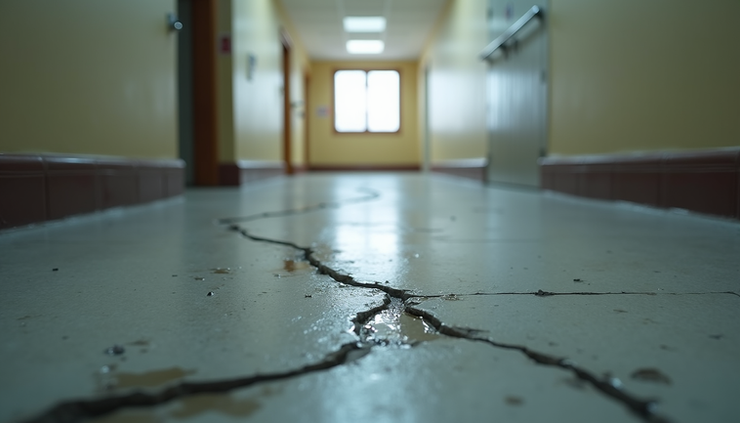
What Deferred Maintenance Means
Deferred maintenance happens when necessary repairs or upkeep are postponed. This can include anything from fixing a leaky roof, replacing worn-out HVAC systems, to repainting surfaces or repairing plumbing. The reasons for delay vary: budget constraints, prioritizing other projects, or simply underestimating the urgency.
While skipping maintenance might free up money temporarily, it often causes small problems to grow into major failures. For example, a minor roof leak ignored for months can lead to structural damage, mold growth, and expensive restoration.
Why Deferred Maintenance Costs More Over Time
Delaying repairs increases costs in several ways:
Damage escalation
Small issues worsen without timely fixes. A cracked pipe can burst, causing flooding and damage to walls and floors.
Reduced asset lifespan
Equipment and building components last shorter when neglected. HVAC units that don’t get regular servicing break down sooner, requiring costly replacements.
Higher emergency repair costs
Emergency fixes are more expensive than planned maintenance. Contractors charge premium rates for urgent calls, and materials may cost more when ordered last minute.
Decreased property value
Buildings with visible wear and deferred upkeep lose market value. Potential buyers or tenants may demand discounts or avoid the property altogether.
Safety risks
Ignoring maintenance can create hazards like electrical faults or unstable structures, leading to accidents and liability issues.
Real-Life Examples of Deferred Maintenance Consequences
Consider a commercial office building where the owner delayed replacing an aging boiler to save money. The boiler eventually failed during winter, leaving tenants without heat. Emergency repair costs were double the price of a planned replacement, and tenants demanded rent reductions for discomfort.
In another case, a homeowner ignored gutter cleaning for several seasons. Blocked gutters caused water to overflow and damage the foundation. Repairing the foundation cost thousands more than routine gutter maintenance would have.
How to Avoid the Pitfalls of Deferred Maintenance
Preventing costly deferred maintenance starts with a clear plan and regular inspections. Here are practical steps:
Create a maintenance schedule
List all equipment and building components with recommended service intervals. Stick to the schedule to catch issues early.
Budget for maintenance annually
Set aside funds specifically for upkeep. Treat maintenance as an investment, not an expense.
Prioritize repairs by urgency and impact
Address safety and structural issues immediately. Less critical tasks can be planned but not ignored.
Use technology for tracking
Maintenance management software helps track work orders, schedules, and costs, making it easier to stay on top of tasks.
Train staff or hire professionals
Skilled personnel can spot problems before they escalate. Regular professional inspections add an extra layer of protection.
When Deferred Maintenance Might Make Sense
There are rare cases where deferring maintenance is reasonable, such as when a building is scheduled for demolition or major renovation soon. In these situations, spending on repairs may not add value. However, this requires careful planning and clear timelines to avoid unnecessary damage or safety risks.


Comments